
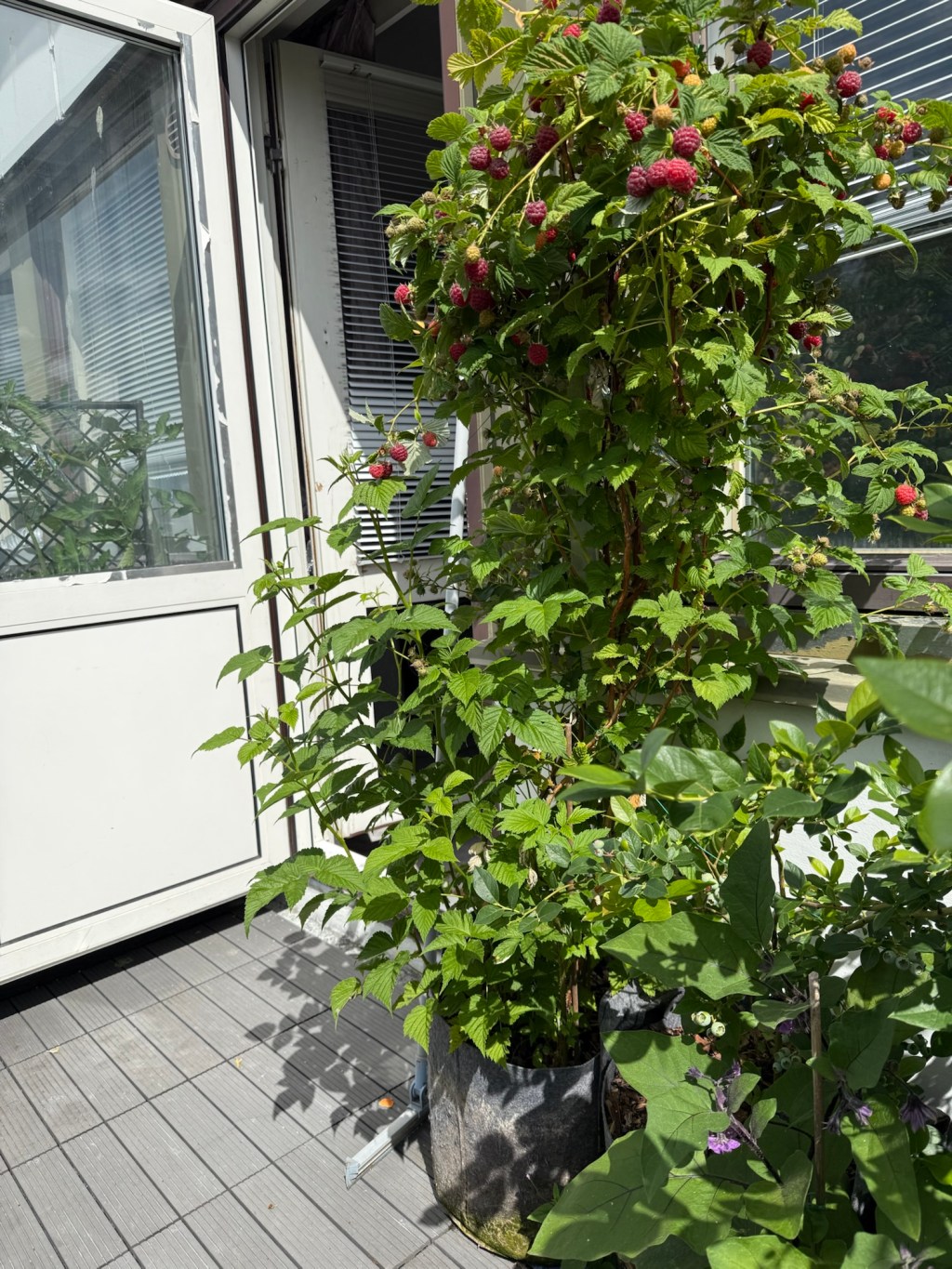
My ‘Maurin Makea’ raspberry has now spent three full winters outside in a fabric pot on my open, south-facing balcony in Finland. This summer, it is producing its largest crop so far.
The balcony becomes very hot in summer, especially beside the building wall. In winter, the same plant is exposed to cold temperatures and wind. Despite these changing conditions, it has returned each spring and continued to grow.
This is one real balcony setup rather than a guarantee that every raspberry will survive in every container or climate. Still, three winters and a strong crop make it worth documenting.
A Compact Finnish Raspberry
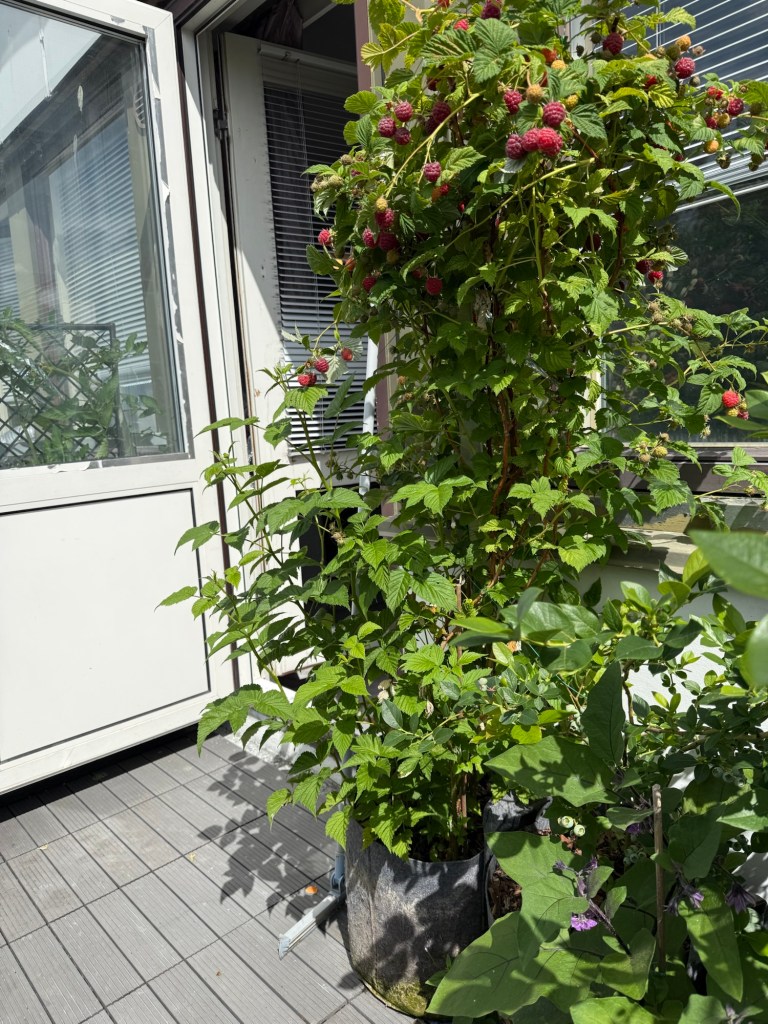
‘Maurin Makea’ is a Finnish bush raspberry with a relatively compact growth habit. In southern Finland, it typically grows to around one meter tall. It produces many side branches and most of its berries grow on canes formed during the previous year.
The exact cultivar may not be available outside Finland, but this article may still be useful for anyone growing a compact, summer-fruiting raspberry in a container.
It is important to know which type of raspberry you have. Summer-fruiting and autumn-fruiting raspberries are pruned differently, and cutting down the wrong canes can remove the following year’s crop.
My Fabric Pot Setup
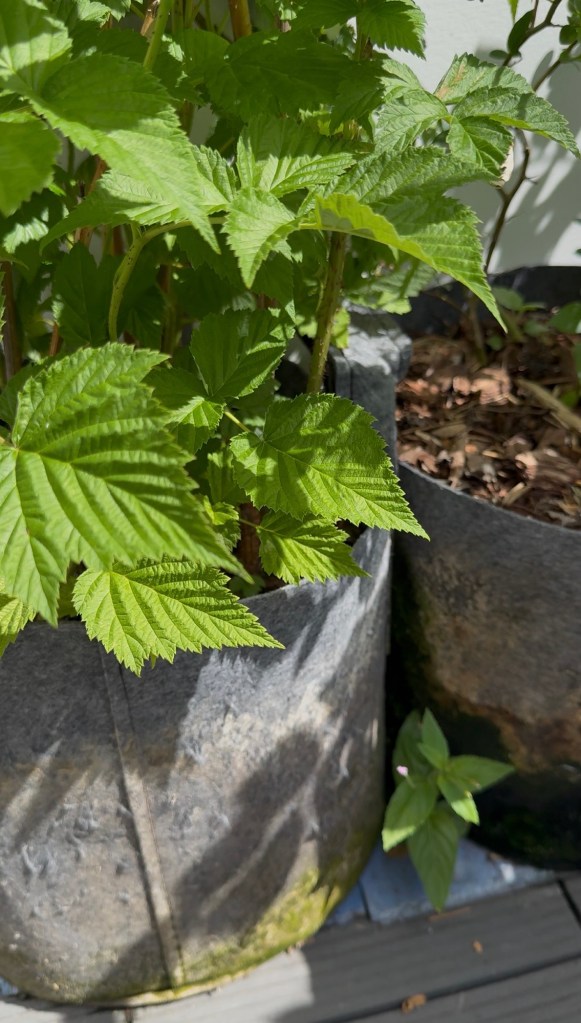
The raspberry has remained in the same fabric pot, positioned beside the wall on the south-facing balcony.
Under the pot, I keep a piece of blue rigid insulation board. It separates the container from the balcony floor. I have not tested the board separately, so I cannot say exactly how much difference it makes, but it has been part of the setup throughout all three winters.
The surface of the potting mix is covered with a coarse, bark-like mulch. I also leave healthy fallen leaves on the surface in autumn rather than clearing the pot completely. During summer, this surface layer helps the container dry out less quickly.
Watering and Feeding
During hot summer weather, I water the raspberry almost every day. Fabric pots can dry quickly, especially on a sunny balcony while the plant is developing a large crop.
I usually water with a hose connected to the kitchen sink. It works much like a garden hose and means I do not have to carry watering cans to the balcony every time. I have not installed an automatic irrigation system because this method is simple enough for my space.
I do not use a fixed watering schedule throughout the season. The frequency depends on the temperature, rain, wind and how quickly the pot is drying.
My feeding routine is also simple. I occasionally use tomato fertilizer, but I do not fertilize heavily or according to a complicated program. Each spring, I add some of my own worm compost to the surface of the pot.
I have kept one box of compost worms in a closet for years. They process some of our kitchen scraps and shredded cardboard, and the bin produces enough vermicompost for my indoor and balcony plants.
Read more: How I Keep Compost Worms in My Closet: Simple Indoor Vermicomposting.
Pruning for Next Year
‘Maurin Makea’ produces most of its berries on second-year canes.
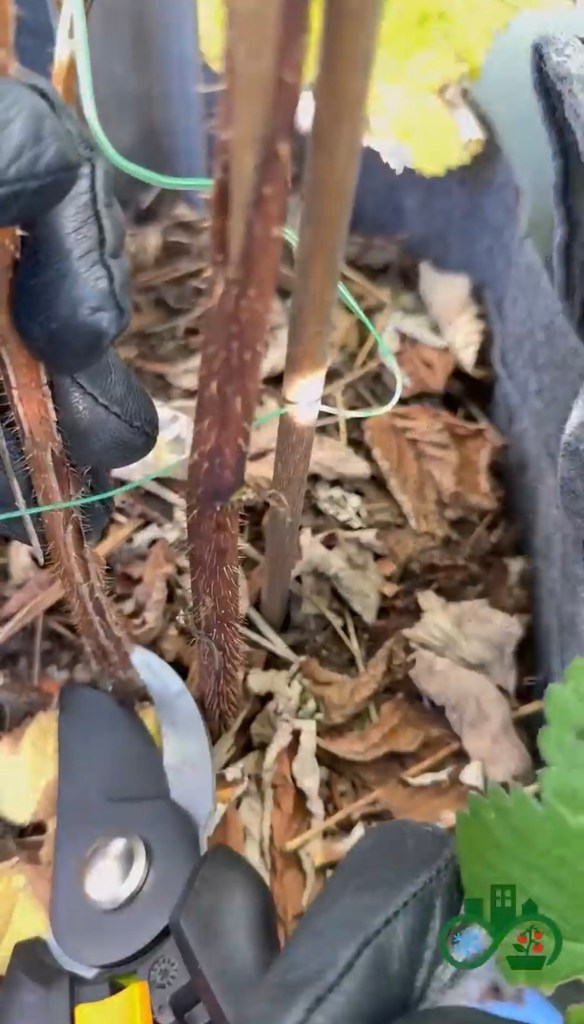
After the harvest, usually in autumn, I cut the canes that produced fruit down at the base. I leave the healthy new canes that grew during the current summer because those are expected to produce the following year’s crop.
I do not cut the whole plant to the ground. That method is used for certain autumn-fruiting raspberries, but it would remove the next crop from a summer-fruiting raspberry like this one.
The new canes are therefore important even while I am harvesting the current berries. Their strength gives me an idea of what the plant may be able to produce next year.
How It Has Survived Three Winters
Most winters, I have not wrapped the raspberry at all.
During one winter, unusually cold weather was forecast, so I added bubble wrap and a brown, breathable garden fabric around the container. I do not know the exact name of the brown material, so I prefer not to identify it more precisely.
I also reuse the fabric pots from my annual crops as part of the winter setup. After the tomatoes and beans have finished producing and the plants have been removed, I move their pots in front of the raspberry. They create an additional buffer between the raspberry pot and the most exposed side of the balcony.
The raspberry remains beside the wall, with the rigid insulation board underneath and the mulch and leaves on the surface.
I cannot prove which part of this setup has made the greatest difference. The cultivar, position beside the wall, protection from direct wind, insulation under the pot and occasional wrapping may all contribute. Any material placed around a container should still allow excess water to drain away.
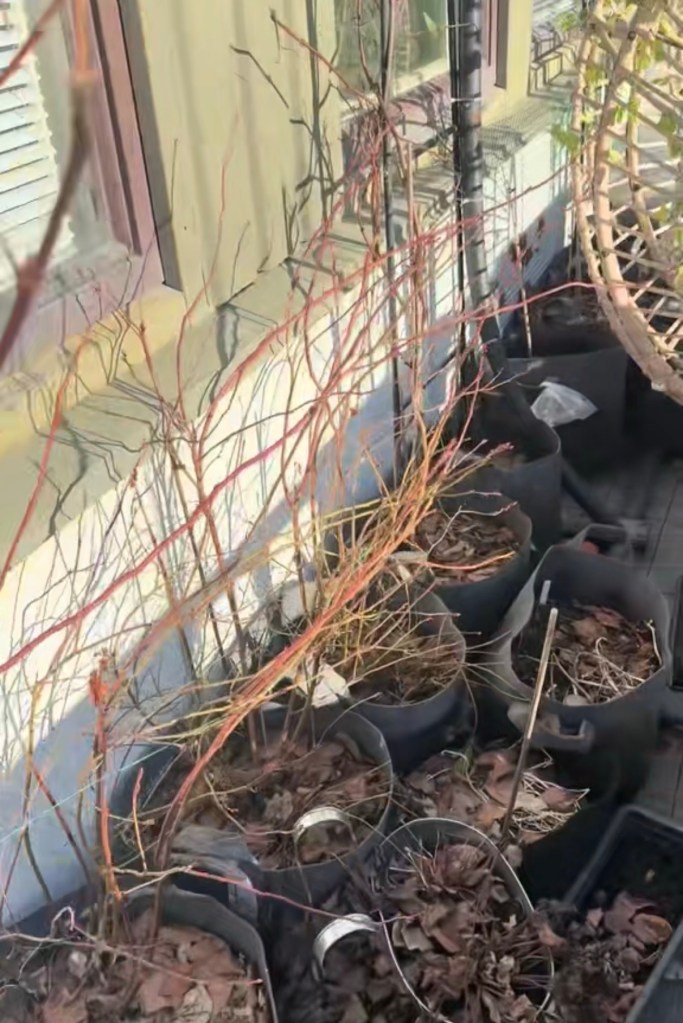
Should I Repot It Before a Fourth Winter?
The raspberry is still in the same fabric pot, and I am now deciding whether to leave it there for one more winter or move it into a larger container.
This year’s crop shows that the plant is still capable of producing well. However, the berries are not the only thing I am watching. The condition of the new canes, the speed at which the pot dries, the condition of the fabric and the amount of available root space are also relevant.
I have not made the final decision yet. If the new growth remains strong and the pot continues to function normally, I may leave it in place for a fourth winter. If growth weakens or the container appears crowded, repotting while the plant is dormant may be the better option.
That decision—and the result of the next winter—will become a future update.
Watch This Year’s Raspberry Crop
I filmed the plant and this year’s crop on my balcony. The video gives a clearer view of the number of berries and the size of the plant than a single photograph can.
Have you kept raspberries or other perennial fruit plants in containers through freezing winters? Share your climate, container type and winter method in the comments.
I will also share whether I repot this raspberry and how it performs after its fourth winter. The follow-up will be available here and on my YouTube channel.

 Infinite Gardening
Leave a comment